The Lord Is My Shepherd
A Designer’s First Look: Calm, Clear, and Craft-Ready
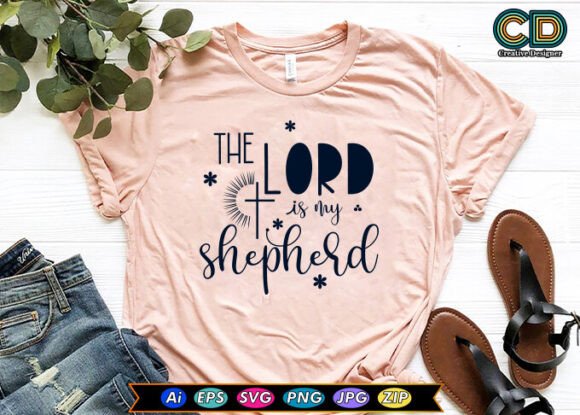
When I opened The Lord is My Shepherd for the first time, I didn’t just scan the file—I held it up against a mockup of a linen tea towel. Instantly, I felt its quiet strength. It’s not ornate or fussy. No excessive flourishes, no crowded script, no competing visual noise. Just clean, grounded lettering with gentle spacing and balanced weight—exactly what you want in a machine embroidery design meant to carry meaning, not just decoration. This isn’t a trend-chasing graphic; it’s a timeless phrase rendered with intention. That makes it ideal for handmade products where sincerity matters more than sparkle.
Real Project Test: Embroidering a Nursery Pillow Cover
Last week, I used The Lord is My Shepherd on a 12” x 12” cotton-linen blend pillow cover for a client’s baby nursery. The design sat centered, about 4.5” wide—comfortable for a standard 5” hoop. Stitching was smooth: no thread breaks, no puckering, and the satin stitch edges held crisp definition without overloading the fabric. Customers notice that clarity. When someone sees this phrase stitched cleanly on a soft pillow, they don’t think “digital file”—they think “thoughtfully made.” That subtle shift builds trust, especially for Etsy sellers offering personalized gifts or boutique shops curating meaningful home goods.
Where It Shines (and Where to Pause)
The Lord is My Shepherd works beautifully on medium-weight fabrics like canvas tote bags, midweight sweatshirts, and woven aprons. Its open letterforms breathe well on textured surfaces—no tiny enclosed areas that trap lint or distort under stitching. As a custom apparel design, it reads clearly even at 3.75”–4.5” wide, making it versatile for caps, kids’ tees, and baby onesies (just confirm your smallest hoop size first).
That said, I’d avoid using it *as-is* on highly stretchy knits without added stabilizer—and never on sheer or ultra-thin fabrics without backing reinforcement. The design’s moderate stitch density means it holds up to light commercial laundering, but for high-use items like kitchen towels or blankets, I recommend testing wash durability on scrap fabric first. Also: if you’re planning an applique design or layered embroidery project, check how the lettering interacts with background fill stitches—some versions may need minor spacing tweaks for optimal contrast.
Small Details, Big Impact
Look closely at the lowercase “i” dot and the curve of the “g.” They’re not overly delicate—but they’re precise. That precision translates into professionalism. On dark fabric, use a high-contrast thread (like ecru or bright white) and verify visibility in a black-and-white printable mockup before finalizing. On light fabric, navy or charcoal adds warmth without heaviness. And yes—this design absolutely supports thoughtful thread color storytelling: soft sage for a nursery, deep burgundy for holiday gifts, heather gray for minimalist apparel.
For Your Craft Business: Practical Value Beyond Aesthetics
If you’re an Etsy seller or small shop owner, The Lord is My Shepherd is more than a graphics download—it’s a reliable, emotionally resonant asset. It fits seamlessly into collections: baptism gifts, pastoral wedding favors, caregiver appreciation bundles, or faith-based seasonal merchandise. Because it comes in editable AI, SVG, and EPS files, you can resize confidently (within reason), adjust kerning for tighter layouts, or isolate letters for monogram variations—no pixelation, no quality loss. The included high-quality JPG and transparent PNG make creating clean product listings and social mockups effortless.
But here’s what matters most in real-world use: it doesn’t require heavy editing to feel handmade. Many embroidery files demand cleanup—smoothing jagged vectors, reducing stitch count, reworking corners. Not this one. Its construction feels purpose-built for embroidery, not adapted from web graphics. That saves time, reduces test-stitch rounds, and keeps your workflow lean—critical when you’re juggling client orders, craft fair prep, or seasonal inventory.
Design Notes Every Embroiderer Should Check
- Always test on scrap fabric matching your final product’s weight and texture—even if it’s “just text.”
- Verify hoop size compatibility before hooping. Some versions may exceed 4” height; measure before committing.
- Review stitch density in your embroidery software—especially if layering with other elements or using metallic threads.
- Check licensing terms before selling finished embroidered items or bundling the digital file. The listing mentions Crafts and Graphics—but confirm commercial use rights directly with the seller.
- Use cutaway or tear-away stabilizer depending on fabric drape; lightweight linen needs more support than sturdy canvas.
- Compare light/dark backgrounds using grayscale mockups—what reads well on ivory may disappear on navy without thread adjustment.
Final Thought: Meaning Meets Craftsmanship
The Lord is My Shepherd succeeds because it respects both the message and the medium. It doesn’t shout. It settles in—calm, legible, dignified. Whether you’re stitching a heartfelt baby gift, branding a small shop’s line of faith-inspired apparel, or building a portfolio of clean, commercial-ready embroidery files, this design earns its place in your library. It’s not flashy—but in the world of handmade products, quiet confidence often sells better than boldness. Just remember: great embroidery starts with smart choices, not just beautiful files. So open that AI file, pull up your favorite fabric swatch, and ask yourself—not “Does it look nice?” but “Will this hold up, resonate, and reflect the care my customers expect?” With The Lord is My Shepherd, the answer is usually yes.