Evaluating Vintage 'Born in 1970' for Real Embroidery Projects
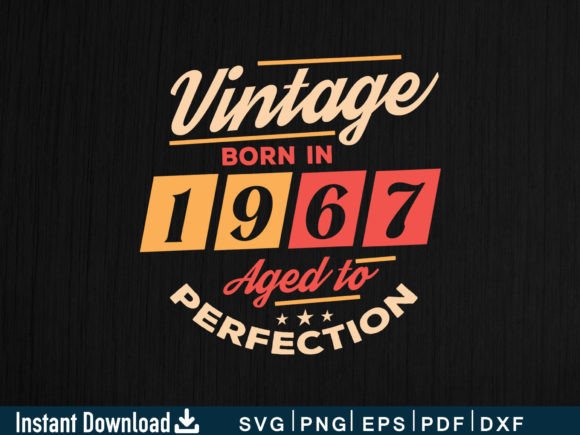
When a design like the Vintage Born in 1970 Aged to Perfection embroidery file lands in my project folder, my first instinct is to think about how it will actually live on fabric. This isn’t just a graphic; it’s a potential finished product, a gift, or a piece of merchandise. My review starts from that practical perspective.
The First Impression: Nostalgia with a Wink
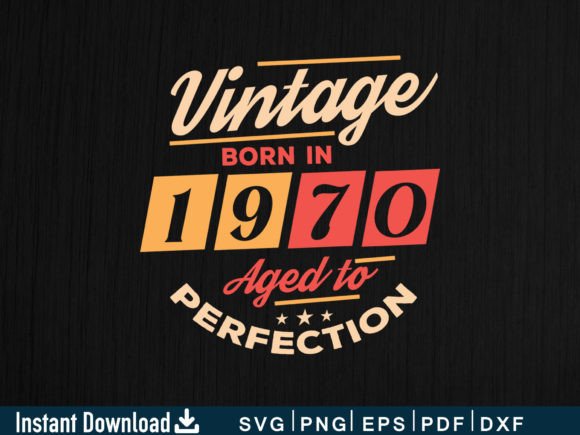
The immediate mood this design creates is one of warm, nostalgic celebration. The vintage styling isn’t overly somber or antique; it feels like a fond look back with a smile. The layout, with its central focus on the year and the playful “Aged to Perfection” tagline, has a balanced, almost badge-like quality. This gives it a strong visual personality that’s both personal and universally appreciable. It doesn’t scream; it announces with character. For an embroidery designer, that means it’s not a background element. It’s a statement piece meant to be the hero of a project.
Where This Design Naturally Belongs
Given its theme, I instantly picture this design on items meant for celebration and personalization. It’s a natural fit for a custom birthday sweatshirt or a cozy hoodie—something worn with pride on a special day. I also see it working beautifully on a sturdy canvas tote bag, transforming a simple carrier into a personalized gift. For a more sentimental application, consider a pillow cover or a tea towel in a kitchen, offering a daily reminder of a milestone. In a craft business context, this design is perfect for those personalized gifts Etsy sellers and small shop owners often curate: a ready-made, heartfelt offering for a 1970-born client.
Let’s walk through a real scenario. Imagine a client requests a custom gift for her husband’s 50th birthday. She wants something he’ll actually use, not just display. You suggest a high-quality, embroidered baseball cap or a soft cotton apron for his grilling hobby. The Vintage Born in 1970 Aged to Perfection design comes to mind. Its composition is compact enough for a cap’s curved front without losing impact, and its vintage aesthetic pairs well with rustic denim or canvas. You’re thinking beyond the stitch file; you’re visualizing the finished product in use, and how the recipient’s reaction will justify the effort.
Performance on Different Products and Fabrics
In real-life embroidery, this design’s success hinges on application choice. On a mid-weight cotton t-shirt or a sweatshirt, with proper stabilizer, the details should stitch out with good clarity. The likely mix of satin stitch for the lettering and fill stitch for any decorative elements will create a pleasing texture. However, caution is needed.
On very thin or stretchy fabrics like lightweight jersey, the stitch density, if high, could cause puckering or fabric distortion. On dark fabrics, thread color choice becomes critical—you’ll need good contrast to maintain the vintage feel without it disappearing. The design might present challenges on small hoop sizes if the details are very fine; tiny lettering in “Aged to Perfection” needs a clean stitch path. For textured fabrics like towels, the design’s clarity might soften, which could actually enhance the handmade, rustic charm for some projects.
Navigating the Tricky Details for Professional Results
A professional finish requires forethought. Before stitching this on a client’s item, always run a test on scrap fabric of the same type and color. This allows you to check thread color contrast, review stitch density, and inspect how small details like decorative corners or accents translate into stitches. Does the design hold its shape? Does it look clean?
Also, consider the end-use. If the product, like a baby blanket or a frequently washed kitchen towel, needs durability, evaluate whether the design has large, dense stitch areas that might wear faster. For curved surfaces like caps, check the design layout in your software to ensure it fits the available space without needing excessive compression.
Adding Value to Your Craft Business
From a business owner’s viewpoint, a well-executed embroidery of this design elevates product value. It shows attention to a specific, meaningful niche—birthday celebrations for a particular generation. That specificity builds customer trust; they feel you’ve created something just for them. For your handmade presentation, a clean stitch-out of this design reinforces brand consistency if your shop specializes in nostalgic or personalized items.
Its giftability is high, as the description suggests. It’s not just a random graphic; it’s a ready-made sentiment for a mom, dad, grandpa, or friend. This directly boosts buyer engagement in your Etsy listings or craft fair booth. People recognize the occasion instantly, which speeds up the decision to purchase. Using it in printable mockups for your digital product listings can effectively showcase its application, attracting fellow embroidery designers and crafters.
Practical Designer Notes Before You Hoop It
Here’s my checklist before committing this design to a project:
- Run the aforementioned test stitch on a fabric scrap.
- Check the embroidery file in your software to visualize the stitch path.
- Compare how it looks on light and dark background mockups digitally.
- Ensure you’re using a stabilizer appropriate for your chosen fabric.
- Confirm the licensing terms of the digital embroidery file for your intended use. Is it for personal projects only, or does it allow commercial use for selling finished products? This is a crucial step for small business owners and commercial embroidery projects.
- Plan your thread palette. Vintage themes often benefit from slightly muted or classic color combinations.
- Consider the scale. Does the design need to be enlarged for a tote bag or reduced for a baby item?
Ultimately, the Vintage Born in 1970 Aged to Perfection embroidery design is a strong, theme-ready asset. Its success in your hands depends on marrying its nostalgic charm with your practical embroidery skills and product knowledge. Choose the right project, execute it with care, and it will become a finished product that feels both handmade and perfectly intended.