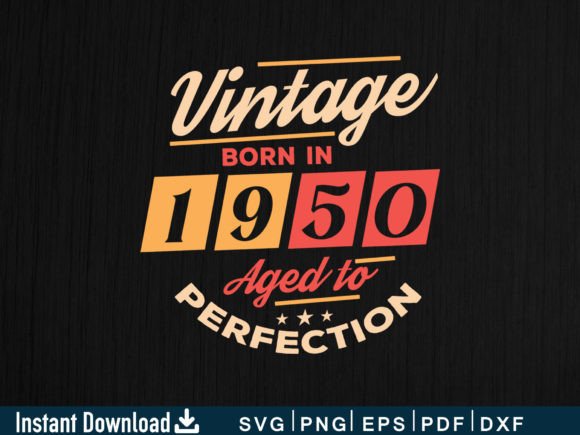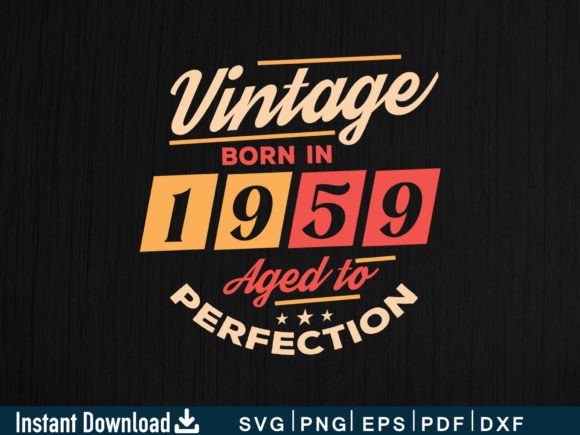
An Honest Review of a Vintage 1959 Embroidery Design
Every time I download a new embroidery file, I’m looking at it through two lenses: my designer’s eye and my maker’s hands. The first tells me if it’s beautiful; the second tells me if it’s practical. When I opened Vintage Born in 1959 Aged to Perfection, I immediately pictured it on a soft, washed-cotton apron, a gift for a friend celebrating that milestone birthday. The mood here is nostalgic, warm, and celebratory—a design that feels like a gentle wink rather than a loud shout.
Where This Vintage Design Truly Belongs
The layout and theme make this a natural fit for personalized gifts and boutique products. It has a personality that leans toward thoughtful, handmade presentation. I can see this working wonderfully on:
- A cozy, heavyweight sweatshirt for a “birthday brunch” gift.
- A sturdy canvas tote bag, turning a simple carry-all into a cherished keepsake.
- A crisp linen tea towel or apron for a kitchen-loving recipient.
- A soft pillow cover for a nursery or a grandparent’s reading nook.
- A clean, cotton baby onesie as a “grandma’s vintage year” gift.
- As a standalone embroidered patch applied to a denim jacket or cap.
For small business owners and Etsy sellers, this design is a strong asset for holiday gift seasons and custom birthday orders. It adds value through its personal touch, elevating a basic apparel item into a meaningful product.
Seeing It Through the Hoop: Practical Embroidery Performance
Thinking about actual stitching, the design’s detail level and shape suggest it would perform well on stable fabrics. On a tote bag or an apron, with the right stabilizer, I expect clean satin stitches for the lettering and solid fill stitches for the decorative elements. The vintage aesthetic often relies on clarity, so stitch density will be key to maintaining that “aged to perfection” look without the design becoming overly dense and stiff.
For apparel decorators, testing on a scrap of the intended fabric is crucial. I’d run a sample on both a light and dark background to check thread color contrast. A design with this mood might pop beautifully on an oatmeal-colored sweatshirt but may need different thread choices for a black one.
Where to Approach with Care
This isn’t a design I’d automatically load for a small, curved surface like a cap without careful inspection. Any tiny lettering or intricate corners could lose clarity on textured or stretchy fabric. Thin fabrics might also struggle with the stitch load if the file has high density. For items that will undergo frequent washing, like baby clothes or kitchen towels, ensuring the embroidery is secure and not too dense will help it endure beautifully.
The visual appeal when stitched hinges on that balance—maintaining a soft, vintage feel while ensuring the stitches are sharp enough to read. That balance directly affects customer trust; a poorly executed, blurry version could look cheap, while a crisp, well-proportioned one feels professional and giftable.
A Real Scenario: Crafting a Birthday Tote Bag
Let’s walk through a real case. I’m preparing a custom embroidered tote bag for a client whose mother was born in 1959. I’ve chosen a natural canvas bag. My first step isn’t to hoop the bag—it’s to hoop a piece of similar canvas scrap. I need to see how the design handles the fabric’s texture. Does the “1959” date remain distinct? Do the decorative elements blend smoothly or appear choppy?
After a successful test, I’d select thread colors that complement the vintage theme, perhaps a muted gold or a soft burgundy rather than a stark bright. The finished product should feel cohesive, like the design was always meant to be on that bag. That’s the brand consistency and handmade presentation that turns a simple craft into a small shop product people remember.
Notes for the Practical Designer and Seller
Before you commit this to a final project, here are my grounded recommendations:
- Always test the embroidery file on scrap fabric first. This is non-negotiable.
- Review the stitch density in your software preview. Adjust if needed for your specific fabric.
- Confirm your hoop size can accommodate the design comfortably, allowing clean edges.
- Inspect small details closely. Are there any areas that might become lost or tangled in stitching?
- Use a proper stabilizer for your project type—no shortcut here.
- Check whether the design works for both personal and commercial projects by verifying the license terms provided with the digital download.
- For digital product sellers creating printable mockups, ensure your previews accurately reflect how this would look as a stitched, finished product.
Vintage Born in 1959 Aged to Perfection is a design with charming potential. Its success in your embroidery project—whether for a holiday gift, custom apparel, or craft business merchandise—depends on marrying its visual personality with your practical embroidery skills. Approach it with a thoughtful test and a clear vision, and it can become a wonderfully engaging piece that feels both classic and perfectly personal.